
"35.15 million bags"
30000 article(s) found

Introduction of Ugandan coffee beans with mild climate and suitable for growing coffee
Uganda leads Africa in coffee production, accounting for more than 70% of its total exports. In the 1960s, Ugandan coffee production remained at 3.5 million bags a year. By the mid-1980s, coffee production had dropped to 2.5 million bags a year, mainly for political reasons. But now coffee production is on the rise again, currently about 3 million bags a year. Mainly exported to the European Union, including Germany and Italy

Introduction to the flavor and taste characteristics of the fragrant and pure El Salvador boutique coffee bean manor.
Today, this coffee accounts for 40% of the country's exports. 35% of the extra hard beans of the best coffee are exported to Germany from January to March. In the early 1990s, guerrilla warfare greatly damaged the country's national economy, reducing coffee production from 3.5 million bags in the early 1970s to 2.5 million bags in 1990-1991. The eastern part of the country was most affected by guerrilla warfare, and many farmers and workers were forced

Coffee History, Origin, Development and Culture found that Coffee spread to Europe
The concentration mentioned here is not the taste in sensory analysis, but should be understood from the customer's point of view. It refers to the perceived coffee concentration in milk-based coffee. First of all, you have to consider the type of coffee you use, and you also need to consider the size of the cup and the variety of milk. Many factors affect the taste of coffee and milk, thus affecting the concentration, some of them.

African Coffee producing countries introduce Robart Coffee Bean, Uganda Coffee producing country
The equator runs across Uganda, and the suitable climate makes it the main producing area of Robart coffee beans in the world. In the 1960s, Ugandan coffee production remained at 3.5 million bags a year. By the mid-1980s, coffee production had dropped to 250 bags a year, mainly for political reasons. But now coffee production is on the rise again, currently about 3 million bags a year. What the coffee industry is facing
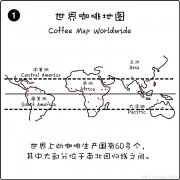
Ivorian coffee is still the fifth largest coffee producer in the world today.
In terms of quantity, it is one of the largest producers in the world. C ô te d'Ivoire has never produced the best quality coffee, and it rarely comes from Arabian coffee trees. In the early 1980s, it was the world's third-largest coffee producer, with an annual output of 5 million bags. Even today, it is still the fifth largest coffee producer in the world, with an annual output of 4.4 million bags. That's it.

C ô te d'Ivoire is one of the largest producers of coffee in the world.
One of the largest producers in the world. C ô te d'Ivoire te dlvoire has never produced the best quality coffee, and it rarely comes from Arabian coffee trees. In the early 1980s, it was the world's third-largest coffee producer, with an annual output of 5 million bags. Even today, it is still the fifth largest coffee producer in the world, with an annual output of 4.4 million bags. With regard to the production of Robbins special coffee
The export volume and volume of Nicaraguan coffee rose.
According to a report by Taiwan's United News Network on August 17, according to the official report of Nicaragua, in the first nine months of this harvest year, Nicaraguan coffee exports increased by 23.2% and 9.5% respectively compared with the same period of the previous year. According to a preliminary report from the Nicaraguan Export Trading Center (Cetrex), from October 2014 to July 2015, Nigeria's coffee exports totaled US $329.2 million.

Ivory Coast, the country that has never produced the best quality coffee
In terms of quantity, it is one of the largest producers in the world. The coffee produced in C ô te d'Ivoire (C ô te d te dlvoire) is also rarely produced by Arabian coffee trees. In the early 1980s, it was the world's third-largest coffee producer, with an annual output of 5 million bags. Even today, it is still the fifth largest coffee producer in the world, with an annual output of 4.4 million bags. In terms of the output of Robbins Coffee

Ivory Coast Roberts Coffee West Africa Ivorian Robusta coffee beans Ivorian producing areas
In terms of quantity, it is one of the largest producers in the world. C ô te d'Ivoire te dlvoire has never produced the best quality coffee, and it rarely comes from Arabian coffee trees. In the early 1980s, it was the world's third-largest coffee producer, with an annual output of 5 million bags. Even today, it is still the fifth largest coffee producer in the world, with an annual output of 4.4 million bags. That's it.

A brief introduction to the history and culture of the origin and development of boutique coffee beans in the lemon tree manor of Nicaragua
According to the president of the Nicaraguan Coffee Farmers' Federation, due to the poor harvest of coffee in Nicaragua's Pacific region, the country's total coffee production in 1998 may be 12% lower than that in 1997. In the 1997-1998 coffee year, Nicaragua harvested a total of 1.422 million bags (each 46kg) of coffee, the best since coffee production has been hovering around 1 million bags for 14 years.

Introduction of Ugandan coffee beans with low acidity and delicate taste
Uganda's coffee production ranks first in Africa, accounting for more than 70% of its total exports. Uganda is also the hometown and main producing area of Robes specialty coffee. In the 1960s, Ugandan coffee production remained at 3.5 million bags a year. By the mid-1980s, coffee production had dropped to 2.5 million bags a year, mainly for political reasons. But now coffee production is on the rise again, which is large at present.

Ruwenzori (Ruwensori) in the west of Uganda coffee producing area with delicate taste and unique flavor.
Ganda coffee production ranks first in Africa, accounting for more than 70% of its total exports, while Uganda is also the hometown and main producing area of Robes specialty coffee. In the 1960s, Ugandan coffee production remained at 3.5 million bags a year. By the mid-1980s, coffee production had dropped to 2.5 million bags a year, mainly for political reasons. But now coffee production is on the rise again, about

Robes, a coffee variety from the mountains of Elgon and Bugisu, Uganda
Uganda's coffee production ranks first in Africa, accounting for more than 70% of its total exports. Uganda is also the hometown and main producing area of Robes specialty coffee. In the 1960s, Ugandan coffee production remained at 3.5 million bags a year. By the mid-1980s, coffee production had dropped to 2.5 million bags a year, mainly for political reasons. But now coffee production is on the rise again, which is large at present.
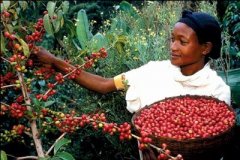
Ugandan coffee exports climb to number one in Africa, African coffee beans and specialty coffee
According to statistics released by the International Coffee Organization (International Coffee organization), Uganda has exported 1.6 million bags of coffee in the past six months, surpassing Ethiopia, the largest coffee producer in Africa, and ranking first in African coffee exports. The Uganda Coffee Development Authority said that in order to maintain its position as Africa's largest exporter of coffee, Uganda

Honduras coffee beans origin Honduras coffee beans Honduras coffee
Professional coffee knowledge exchange More coffee bean information Please pay attention to coffee workshop (Weixin Official Accounts cafe_style) Historically, coffee has been one of Honduras 'main export products (juxtaposed with bananas). Since the mid-2000s, the total annual production of coffee has increased rapidly. In the 2009/10 crop year, Honduras produced approximately 3.6 million bags of Arabica coffee (already more than in 1999).

Cote d'Ivoire is one of the world's largest producers of coffee in terms of volume
In terms of volume, it is one of the largest producers in the world. Cote d'Ivoire never produces the best quality coffee, and very little coffee comes from the arabica tree. In the early 1980s, it was the third largest coffee producer in the world, producing 5 million bags a year. Even today it is the fifth largest coffee producer in the world, producing 4.4 million bags a year. Jiuluo

Introduction of Robbs Special Coffee growing area in Uganda Coffee production area
Uganda's coffee production ranks first in Africa, accounting for more than 70% of its total exports. Uganda is also the hometown and main producing area of Robes specialty coffee. In the 1960s, Ugandan coffee production remained at 3.5 million bags a year. By the mid-1980s, coffee production had dropped to 2.5 million bags a year, mainly for political reasons. But now coffee production is on the rise again, which is large at present.

How to drink Ugandan coffee beans?
Uganda is one of Africa's leading coffee producers, accounting for more than 70% of its total exports, while Uganda is also the home and major producer of Robbs specialty coffee. In the 1960s Uganda's coffee production remained at 3.5 million bags per year. By the mid-1980s, largely for political reasons, coffee production had fallen to 2.5 million bags a year. But coffee production is on the rise again, and it's big now.

Kenya Garchasha Coffee Flavor Characteristics Graded Taste Grind Scale Introduction
Kenya's growth in coffee production has been remarkable, with exports rising from 800,000 bags in 1969- 1970 to 2 million bags in 1985-1986. The average yield is stable at 1.6 million bags, with an average yield of about 650 kg/ha. Even before the coffee price spike, the average price of coffee in Kenya had been rising. 1993--1994 Prices are 50% higher in 2010 than they were 12 months ago. price
Indonesia's coffee bean exports may fall to their lowest level in years this year.
In a survey of exporters and processing plants, Bloomberg found that Indonesian coffee bean exports are likely to fall 14 percent this year to 385,000 metric tons (6.42 million bags), the lowest since 2011, as domestic processing plants expand procurement. And rainfall could reduce production by 10% to 595 million metric tons (9.92 million bags) this year. Soemita, director of the Indonesian Coffee Export Business Association, pointed out that coffee beans